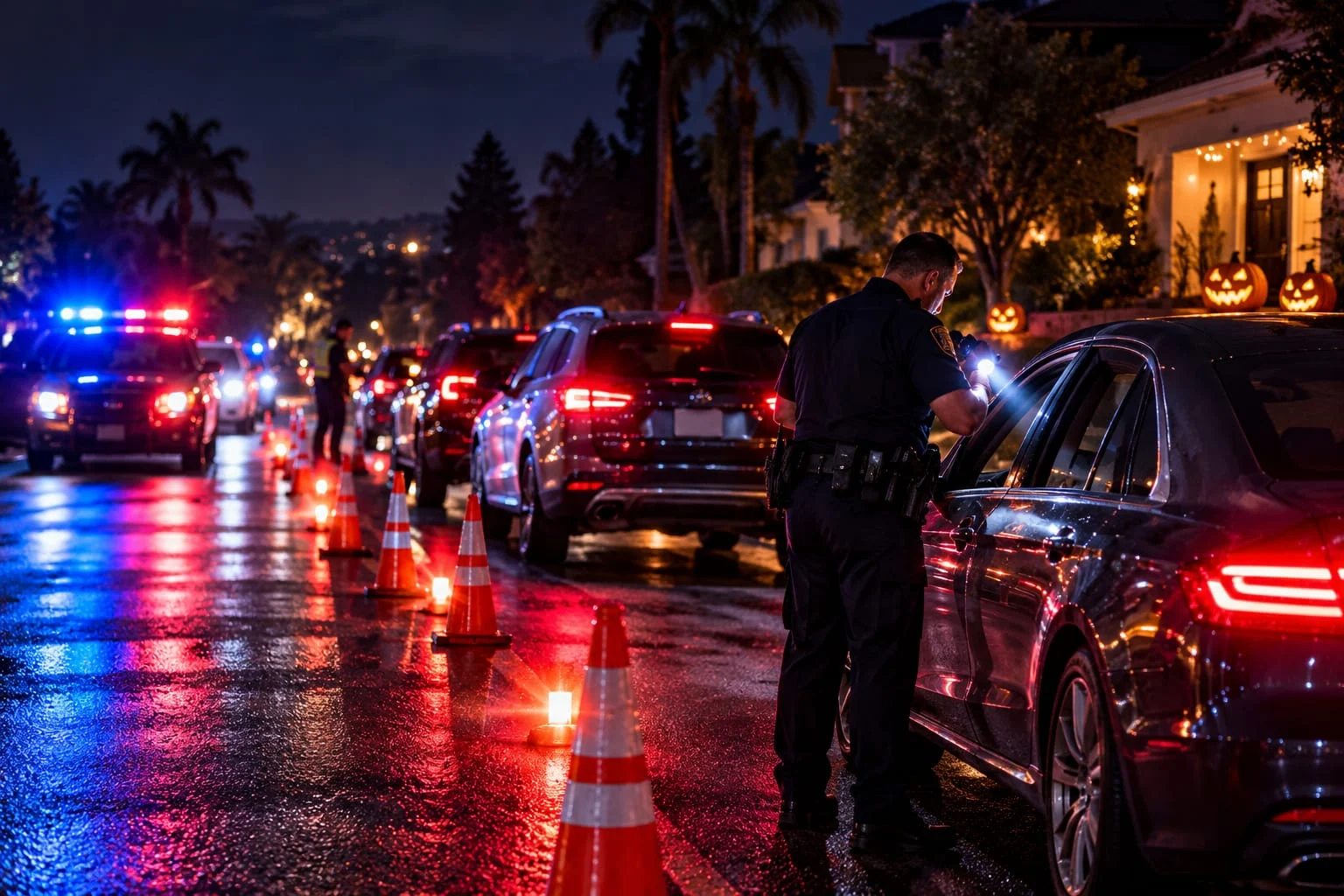

Can you get a DUI in a self-driving Tesla in California? The answer is yes, and a growing number of California drivers have found that out the hard way. As Tesla’s Full Self-Driving technology becomes more common on Orange County roads, this question is no longer hypothetical. It is showing up in courtrooms and in headlines.
As a Orange County DUI Lawyer and former DUI prosecutor with more than 27 years defending cases throughout Orange County courts, I want to give you a legally accurate, honest answer, not a marketing headline. What Tesla calls “self-driving” is not what California law calls driving. And the gap between those two definitions could cost you your license, your freedom, and your record.
If you or a loved one has been arrested for DUI in Orange County, whether in a Tesla or any other vehicle understanding your options early is critical. DUI charges can range from first-time offenses to felony DUI cases involving injury, each carrying very different penalties. An experienced DUI Lawyer Orange County can evaluate whether charges may be reduced, dismissed, or challenged through both the court and DMV process.
Can You Get a DUI in a Self-Driving Car in California? Key Takeaways
- You can be charged with DUI in a Tesla even when FSD or Autopilot is engaged.
- Tesla’s FSD is a Level 2 system — it requires human supervision at all times.
- California’s volitional movement standard under Mercer v. DMV (1991) still applies.
- The California DMV ruled Tesla’s “Autopilot” and “Full Self-Driving” naming misleading in December 2025.
- New California AV enforcement rules effective July 1, 2026 do not protect Tesla drivers — they apply to Level 4 driverless vehicles only.
- You have 10 days from arrest to request your DMV hearing. Missing that deadline results in automatic suspension.
- A Waymo robotaxi passenger cannot be charged with DUI. A Tesla driver can.
What Tesla’s “Self-Driving” Technology Actually Is (And Is Not)
Before we get to the law, the technology needs to be understood clearly, because the confusion between what Tesla’s system does and what the name implies is at the center of every one of these cases.
Tesla markets two primary driver-assistance systems:
- Autopilot: Handles lane centering, adaptive cruise control, and basic highway driving. Requires hands on the wheel and driver attention at all times.
- Full Self-Driving (FSD), now relabeled “FSD (Supervised)”: A more advanced package that navigates city streets, changes lanes, and handles traffic signals. Still requires a fully attentive, supervising driver ready to take control instantly.
Neither system is “self-driving” in the legal or engineering sense of the word. The National Highway Traffic Safety Administration (NHTSA) uses a six-level automation scale. Level 0 is no automation. Level 5 is a fully autonomous vehicle requiring no human input whatsoever. Tesla’s Autopilot and FSD are Level 2 systems, meaning the human driver must supervise and remain capable of intervening at all times.
In December 2025, the California DMV formally ruled that Tesla’s use of the terms “Autopilot” and “Full Self-Driving Capability” was misleading and violated state law, because a reasonable consumer would believe those names meant the car could travel safely without constant human supervision. Tesla subsequently renamed the system “FSD (Supervised)” in California.
The word “Supervised” is doing significant legal work. If you have been drinking, you cannot supervise anything.
The Vacaville Case: What Actually Happened
In March 2026, a man in Vacaville, California was found passed out behind the wheel of his Tesla Model Y as it navigated busy city streets on its own. A concerned driver called 911 and stayed on the line, guiding officers block by block to the vehicle. Police stopped the Tesla at Elmira Road and Shasta Drive.
On the passenger seat: a four-pack of Sutter Home wine and a Round Table pizza box.
The driver was arrested for DUI, under the influence of both alcohol and marijuana. The Vacaville Police Department issued a public statement: “California drivers are permitted to use newer assistive driving safety features in their vehicles. But just like every other driver on the road, they still need to be conscious, alert, and not under the influence while operating them.”
This case made national headlines. It was not the first. In 2018, California Highway Patrol stopped a Tesla driver sleeping behind the wheel on Highway 101 for approximately seven miles with Autopilot engaged. The pattern repeats because the technology keeps being misused the same way, and the law has not changed to accommodate it.
The Legal Question: What Does “Driving” Mean Under California Law?
California’s DUI statute is Vehicle Code § 23152. It makes it illegal to drive a vehicle while under the influence of alcohol or drugs. The entire legal question for Tesla DUI cases turns on one word: what does it mean to drive?
The Mercer Standard: California Requires Volitional Movement
California’s answer comes from a landmark 1991 California Supreme Court case: Mercer v. Department of Motor Vehicles, 53 Cal.3d 753 (1991).
In Mercer, the Court held that “drive,” as used in California’s DUI statutes, requires proof of volitional movement of the vehicle. In plain terms: prosecutors must show you intentionally caused the vehicle to move. California is not an “actual physical control” state, meaning sitting behind the wheel of a parked, running car is not by itself sufficient for a DUI conviction under California law.
This is actually a more defendant-protective standard than many states use. But it does not protect Tesla drivers who engage FSD and then drink. Here is why.
Why Tesla DUI Cases Satisfy the Mercer Standard
California Criminal Jury Instruction 2241 defines driving as intentionally causing a vehicle to move by exercising actual physical control over it. When a Tesla driver engages FSD or Autopilot and the vehicle proceeds through traffic, the volitional movement question is far easier for prosecutors to answer than in the classic Mercer parked-car scenario:
- You turned the car on. That was a volitional act.
- You engaged the FSD system. That was a volitional act.
- The vehicle proceeded to move through public streets. That movement resulted directly from your intentional acts.
- You remained in the driver’s seat, legally responsible for a system that requires constant supervision. Under Tesla’s own user agreement and California law, you are the operator.
A prosecutor does not need to prove you had your hands on the wheel. They need to prove you caused the car to move while impaired, and engaging FSD does exactly that.
This is a distinction that matters enormously in how these cases are charged and defended. An attorney who understands both the technology and the case law can identify where the prosecution’s theory is strongest, and where it can be challenged. Contact a DUI Lawyer Orange County immediately after any arrest.
From the Prosecution Side: How These Cases Are Built
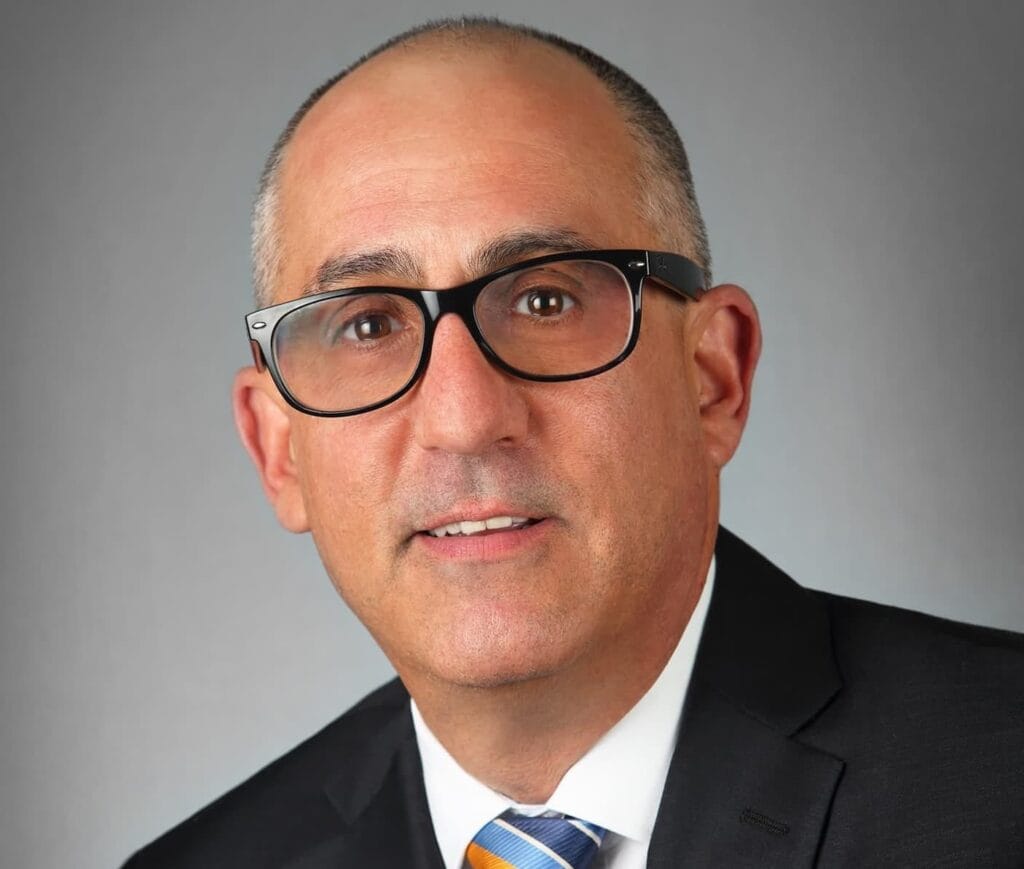
I spent time as an Los Angeles prosecutor before transitioning to defense work. I want to give you an honest picture of how a DUI involving Tesla FSD looks from the other side of the courtroom.
Prosecutors approach these cases with confidence. Here is why.
The Evidence Profile Is Unusually Strong
In a standard DUI, the prosecution relies on officer observations, field sobriety test performance, and a chemical test result. There are frequently gaps a driver who appeared composed, a questionable breath sample, a procedural error by the arresting officer.
In a Tesla DUI, the evidence profile is often far more complete:
- Dashcam footage from Tesla’s eight-camera system, including cabin-facing cameras that may record your behavior inside the vehicle
- Vehicle data logs showing precisely when FSD was engaged, your speed, steering wheel inputs, and whether you interacted with the controls
- 911 call recordings describing your behavior to dispatch in real time
- Civilian witnesses who followed the vehicle and guided police to it
That combination of technology-generated evidence and real-time civilian observation makes these cases harder to defend than a typical traffic-stop DUI not impossible, but harder. Early legal intervention matters even more as a result.
“The Car Was Driving” Is Not a Defense Under Current California Law – DUI Laws and Self-Driving Vehicles in CA
Defense attorneys have attempted variations of this argument. It has not succeeded. Under California’s autonomous vehicle regulations, Tesla’s own user agreement, and the public statements of every law enforcement agency that has handled one of these arrests, the operator of a Level 2 vehicle remains legally responsible for its operation.
The argument that could theoretically create legal tension involves the precise application of Mercer: if the vehicle was already in motion when FSD was engaged, does the driver’s subsequent impairment break the causal chain of volitional movement? In theory, this creates some analytical complexity. In practice, prosecutors will argue that remaining in a moving vehicle without intervening is itself a volitional choice and juries are not sympathetic to defendants who chose to drink and then chose to let a car they are legally responsible for navigate public streets on its own.
A skilled DUI Lawyer Orange County defense attorney does not rely on novel legal theories that have not yet been tested in California courts. They look for procedural vulnerabilities, evidence issues, and negotiating leverage that actually move cases toward reduction, toward dismissal, or toward a better outcome at trial.
The 2026 Legal Landscape: Changes That Directly Affect Tesla Drivers
California’s DUI and autonomous vehicle law is shifting rapidly. Several 2026 developments have direct relevance to anyone driving a Tesla in Orange County.
Tesla vs. California DMV: The FSD Marketing Battle
California DMV ruled Tesla’s “Autopilot” and “Full Self-Driving” naming misleading under California law — December 2025
In December 2025, the California DMV found Tesla violated state law through its “Autopilot” and “Full Self-Driving Capability” marketing language, ordering the names changed under threat of a 30-day license suspension. Tesla initially complied then in February 2026, Tesla filed suit against the DMV, arguing regulators had “wrongfully and baselessly” labeled the company a false advertiser and never proved consumers were actually confused about the system’s capabilities.
That lawsuit is ongoing. What it means for DUI defendants: Tesla is actively contesting the premise that its technology misled consumers about what supervision was required. If Tesla ultimately prevails, the legal environment becomes even less favorable to a “I thought the car was driving itself” defense.
California’s New Autonomous Vehicle Enforcement Rules (Effective July 1, 2026)
California adopted new autonomous vehicle enforcement regulations in April 2026, with certain enforcement provisions beginning July 1, 2026. These rules apply to autonomous vehicle operations, not Tesla’s Level 2 supervised driver-assistance systems. A Waymo robotaxi with no one in the driver’s seat operates under a fundamentally different legal framework than a Tesla with you sitting behind the wheel.
These rules apply to Level 4+ autonomous vehicles with no human operator not to Tesla FSD. A Waymo robotaxi with no one in the driver’s seat operates under a fundamentally different legal framework than a Tesla with you sitting behind the wheel.
If you are in a Tesla, you are still the driver under California law. The new autonomous vehicle enforcement rules do not change that.
AB 366: Ignition Interlock Device Extension Through 2033
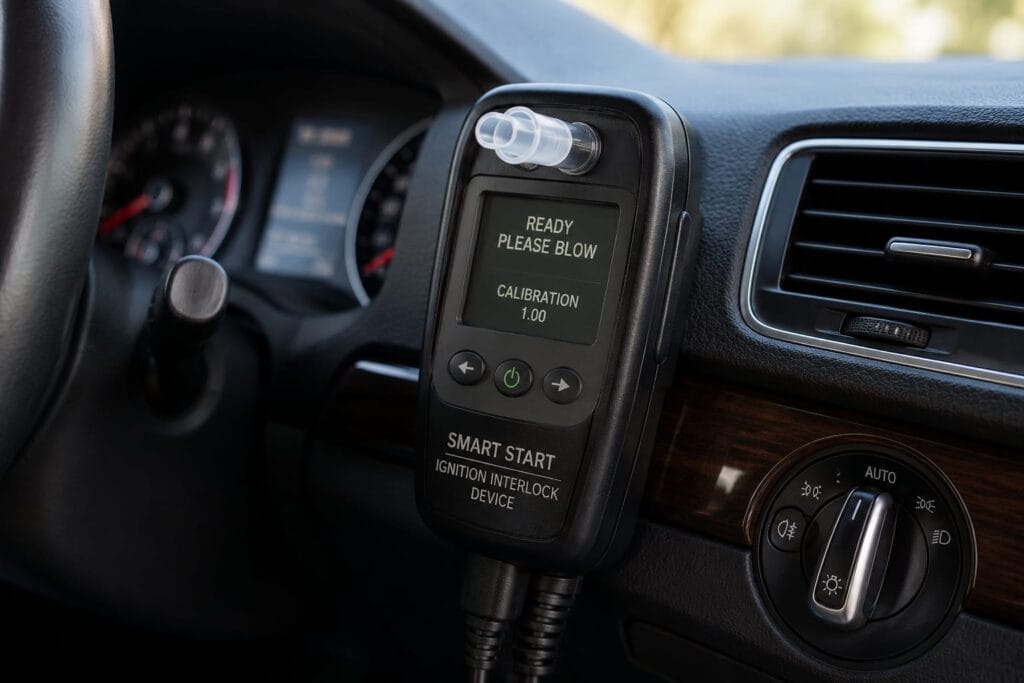
Under AB 366, California’s ignition interlock device requirement for DUI offenders is extended through 2033 — including Tesla DUI convictions
AB 366 – Vehicle Code § 13352 | California DMV New Laws 2026
Assembly Bill 366, effective January 1, 2026, extends California’s mandatory Ignition Interlock Device program through January 1, 2033. An IID requires you to pass a breath test before your car will start.
The irony is not lost on anyone who thinks this through: if you are convicted of a Tesla DUI and required to install an IID, that device would prevent your car from starting if alcohol is detected making it impossible to use FSD as a workaround in the future. The technology that enabled the dangerous behavior would be blocked by the technology designed to prevent repeat offenses.
➡️ See our related post: California DUI & Traffic Law Changes 2026
What Happens If You Are Arrested for DUI in a Tesla in Orange County
Tesla DUI cases in Orange County are prosecuted in the Orange County Superior Court under California Vehicle Code 23152
A Tesla DUI arrest proceeds identically to a conventional DUI in terms of criminal procedure and DMV consequences. Here is what you are facing.
Criminal Penalties
- First offense: Up to 6 months in county jail, $390–$1,000 in base fines (plus penalty assessments that can multiply the total significantly), 3–5 years informal probation, mandatory DUI school (3 or 9 months depending on BAC), and license suspension
- Second offense within 10 years: Mandatory minimum 96 hours to 1 year in county jail, longer DUI school, longer license suspension, mandatory IID
- Third offense: Up to 1 year in county jail, 30-month DUI program, potential felony filing depending on circumstances and under proposed AB 1546, a third DUI within 10 years could be charged as a felony even without injury
- Felony DUI with injury: State prison exposure, extended probation under AB 1087, and permanent record consequences
The DMV Case: The 10-Day Deadline You Cannot Miss
After any DUI arrest in California, you have exactly 10 calendar days to contact the California DMV and request an Administrative Per Se (APS) hearing. Miss that window and your license is automatically suspended regardless of what happens in the criminal case.
The DMV case and the criminal case are entirely separate proceedings. Both require active defense from an experienced attorney.
The Tesla Data Problem
Here is something most people do not realize until it is too late: law enforcement may seek to subpoena your Tesla’s onboard data logs after an arrest. These logs can show when FSD was engaged, your speed, whether you touched the steering wheel, and in some configurations interior cabin footage.
That data is prosecution evidence. A skilled defense attorney needs to assess it and understand its implications before it is used against you in court.
Orange County courts including the Harbor Justice Center in Newport Beach, the Central Justice Center in Santa Ana, the North Justice Center in Fullerton, and the West Justice Center in Westminster each have their own prosecutors, judges, and procedural tendencies. Local knowledge makes all the difference. When you need a DUI Lawyer Orange County residents trust, experience in those specific courtrooms matters.
Waymo vs. Tesla: The Legal Distinction That Matters
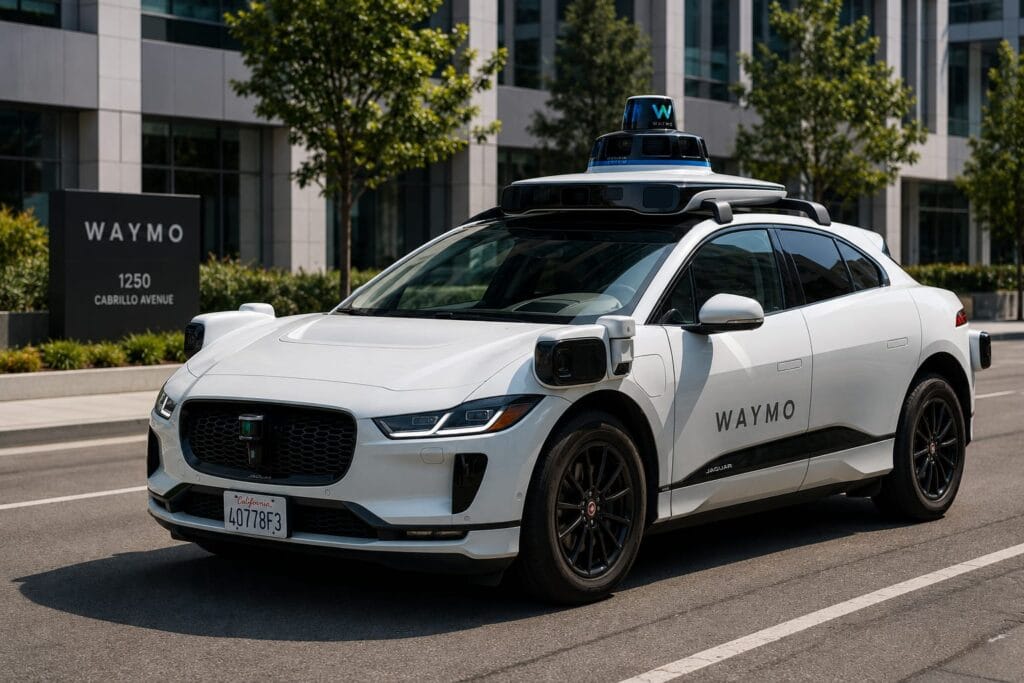
A Waymo robotaxi passenger cannot be charged with DUI in California. A Tesla FSD driver can. The legal distinction is the level of autonomy.
People frequently ask: what about Waymo? If I am drunk in the back of a Waymo robotaxi, can I get a DUI?
A Waymo passenger generally is not considered the driver for DUI purposes because the vehicle operates as a driverless autonomous vehicle with no human operator required. A Tesla user remains the human driver because Tesla FSD and Autopilot require human supervision at all times and are not autonomous systems. The legal distinction turns on the level of autonomy, not the name of the technology.
This is the distinction that matters: Level 4+ autonomous vehicles (no steering wheel, no pedals, no human operator required) versus Level 2 driver-assistance systems (Tesla FSD, Autopilot) that legally require human supervision at all times.
In a Waymo, you are a passenger. In a Tesla, you are the driver. The name “self-driving” does not change the legal category.
The Future of DUI Enforcement: Built Into the Car Itself
Under the federal Infrastructure Investment and Jobs Act, the National Highway Traffic Safety Administration is mandated to require passive alcohol detection technology in all new passenger vehicles beginning with the 2026–2027 model years. Unlike an IID, passive detection does not require blowing into a tube sensors embedded in the vehicle detect impairment automatically and prevent the car from starting.
This represents where DUI enforcement is heading: detection before driving, not after a traffic stop. For drivers facing charges today under laws that still require officer observations, traffic stops, and chemical testing there remain meaningful ways to challenge each link in the prosecution’s evidentiary chain.
Possible Defenses in a Tesla DUI Case
Every Tesla DUI case is different, and the defenses available depend entirely on the specific facts. As a former LA prosecutor, Attorney Wagner evaluates these cases from both sides. Common defense angles in Tesla FSD DUI cases include:
- Challenging the traffic stop. Police must have reasonable cause to initiate a stop. If the vehicle was operating within the speed limit and lane markings under FSD with no observable violation, the lawfulness of the stop may be contestable.
- Challenging the chemical test results. Breathalyzer calibration, blood sample handling, and the timing of the test relative to driving are all challengeable in any DUI case, including Tesla cases.
- Challenging the vehicle data interpretation. Tesla’s onboard data logs require expert interpretation. Prosecutors may overstate what the data shows about driver engagement or impairment.
- Wet reckless reduction. In cases where BAC is at or near the legal limit and evidentiary issues exist, a reduction to wet reckless under Vehicle Code 23103.5 may be negotiable, avoiding a DUI conviction on your record entirely.
No two Tesla DUI cases are identical. Contact DUI Lawyer Orange County Richard Wagner for a free consultation to discuss the specific facts of your case and what defenses may apply.
Frequently Asked Questions
Can you get a DUI in a self-driving Tesla in California?
Yes. Under California Vehicle Code § 23152, DUI requires proof that you drove a vehicle while impaired. When you engage Tesla’s FSD or Autopilot system and the vehicle proceeds through traffic, you have caused volitional movement of the vehicle satisfying the standard established in Mercer v. DMV (1991). You remain legally responsible for the vehicle’s operation under California law and Tesla’s own user agreement.
Is Tesla FSD considered fully autonomous under California law?
No. Tesla’s Full Self-Driving (Supervised) is a Level 2 driver-assistance system. It requires a fully attentive human operator at all times, ready to take control. It is not classified as a Level 4 or Level 5 autonomous vehicle under California or federal standards. The California DMV ruled in December 2025 that Tesla’s prior use of the terms “Autopilot” and “Full Self-Driving Capability” was misleading under California law.
What happened in the Vacaville Tesla DUI arrest?
In March 2026, a Vacaville man was arrested for DUI after a concerned citizen called 911 to report a driver slumped unconscious behind the wheel of a moving Tesla. Police tracked the vehicle and stopped it while FSD was actively navigating city streets. The driver was found to be under the influence of both alcohol and marijuana. Police publicly reminded all California drivers that assistive driving features do not exempt operators from DUI laws.
Does California’s new autonomous vehicle law protect Tesla drivers from DUI charges?
No. The new California DMV enforcement rules taking effect July 1, 2026 apply to Level 4+ fully driverless vehicles such as Waymo robotaxis operating without any human operator. Tesla FSD is a Level 2 system. A Tesla driver remains legally responsible for their vehicle under California law regardless of whether FSD is engaged.
What is the 10-day rule after a DUI arrest in California?
After any DUI arrest in California, you have exactly 10 calendar days to request a DMV Administrative Per Se (APS) hearing to contest your license suspension. Miss this deadline and your license is automatically suspended regardless of what happens in criminal court. Contact an attorney immediately after an arrest.
Can I get a DUI as a passenger in a Waymo robotaxi?
No. As a passenger in a fully driverless Level 4 vehicle like a Waymo, where you have no access to operator controls and are not legally responsible for the vehicle’s operation, you cannot be charged with DUI. The critical legal distinction is between supervised driver-assistance systems (where you are the driver) and fully autonomous systems (where you are a passenger).
What Tesla vehicle data can prosecutors use in a DUI case?
Following a Tesla DUI arrest, law enforcement may subpoena your vehicle’s onboard data logs through the discovery process. These records can include FSD engagement data, vehicle speed, steering wheel inputs, cabin camera footage (where enabled), and GPS routing history. This data can function as powerful prosecution evidence and should be assessed by your defense attorney as early as possible in the case.
How does being a former DUI prosecutor help my defense?
When I was a prosecutor, I built DUI cases for the government. I know which evidence prosecutors consider strongest, where chemical testing and field sobriety procedures are most vulnerable to challenge, how charging decisions are made, and what arguments are most persuasive to Orange County judges. That institutional knowledge does not come from books it comes from years on the other side of the courtroom. For more on the difference between a DUI and a wet reckless, and when a reduction is realistic, see our dedicated page.
Orange County DUI Defense Representation
Written and reviewed by Richard Wagner, a former DUI prosecutor and highly respected Orange County DUI & criminal defense attorney, representing clients throughout Irvine, Newport Beach, Santa Ana, Anaheim, Huntington Beach, Fullerton, Mission Viejo, and all of Orange County. With over 27 years of experience defending DUI cases in Orange County courts, Attorney Wagner aggressively defends:
- First-time DUI arrests
- Second-offense DUI
- Third and repeat DUI offenses
- Felony DUI & DUI with injury
- DMV license suspension hearings
- Wet reckless charge reductions
If you need the most trusted DUI Lawyer Orange County has to offer, contact Richard Wagner today. For a full breakdown of the laws already in effect, see our related post: California DUI & Traffic Law Changes 2026.
Disclaimer
This article is for informational purposes only and does not constitute legal advice. Laws are subject to change and proposed legislation may be amended or withdrawn before enactment. If you have been arrested for DUI in Orange County, consult a qualified attorney regarding your specific situation.
Legal Authorities
The information in this article is based on California statutes, enacted legislation, case law, regulatory authority, and published law enforcement records governing DUI and autonomous vehicle operation in California. Sources include the California Legislative Information portal, the California DMV, the California Courts Newsroom, and published law enforcement records.
Primary legal authorities referenced in this article:
- California Vehicle Code § 23152 (Driving Under the Influence)
- Mercer v. Department of Motor Vehicles, 53 Cal.3d 753 (1991) (Volitional Movement Standard)
- California Criminal Jury Instruction 2241 (Definition of “Driving”)
- California Vehicle Code § 13352 (Ignition Interlock Device Requirements)
- Assembly Bill 366 (IID Extension Through 2033 (already law))
- Assembly Bill 1087 (Vehicular Manslaughter Probation Increase (already law))
- Assembly Bill 1546 (Third DUI as Felony (proposed))
- California DMV Tesla FSD False Advertising Decision (December 2025)
- California DMV Tesla Corrective Action (February 2026)
Laws are subject to interpretation, enforcement discretion, and future amendment. Application of these statutes may vary depending on the facts of each case.
Call Now: 714-721-4423 or Text: 714-403-6317, or schedule a free consultation.