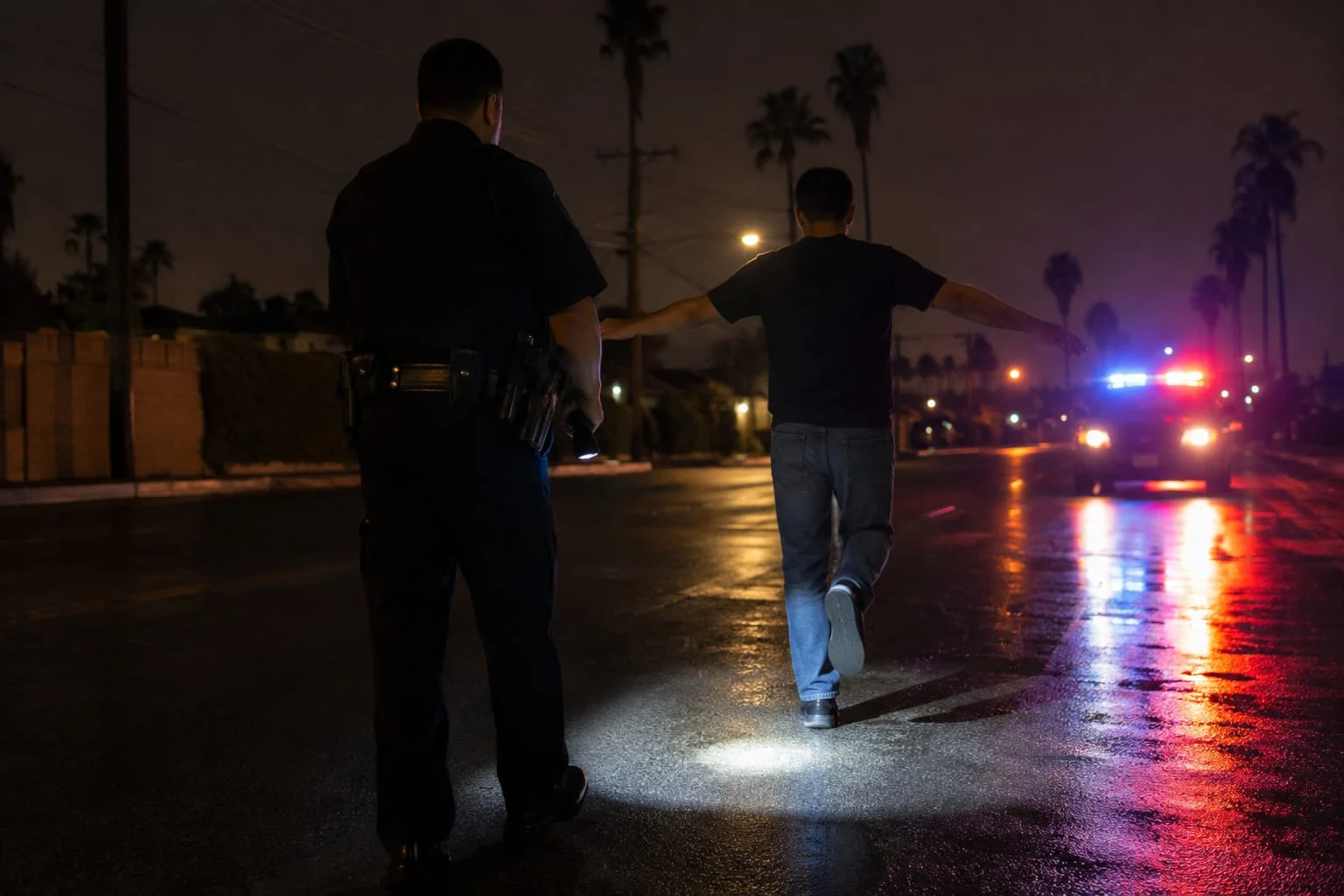

What Should I Say If a Cop Asks If I’ve Been Drinking? It is one of the most searched DUI questions in California and one of the most mishandled moments at a traffic stop. When a patrol officer leans toward your window and asks that question, the DUI investigation that follows has already begun. What you say in the next 60 seconds will either help build a case against you or it won’t.
As a Orange County DUI Lawyer and former DUI prosecutor with more than 27 years defending cases throughout Orange County courts, I want to give you a legally accurate, honest answer and not a list of magic phrases. The smell of alcohol is not proof of impairment. But it is the moment most drivers lose control of their own case by talking, explaining, and cooperating their way directly into an arrest.
If you or a loved one has been arrested for DUI in Orange County after a traffic stop, understanding your options early is critical. DUI charges can range from first-time offenses to felony DUI cases involving injury, each carrying very different penalties. An experienced DUI Lawyer Orange County can evaluate whether charges may be reduced, dismissed, or challenged through both the court and the DMV process.
What to Say If a Cop Asks If You’ve Been Drinking: Key Takeaways
- The odor of alcohol is a subjective officer observation. It is not scientific evidence of impairment.
- Once an officer claims to smell alcohol, the stop has shifted from routine contact to an active DUI investigation.
- You are required to provide your license, registration, and proof of insurance. Nothing more.
- Field sobriety tests are voluntary in California. You can decline them without automatic legal penalty.
- The roadside Preliminary Alcohol Screening (PAS) breath test is also voluntary for most drivers 21 years old and older who are not on DUI probation.
- The post-arrest chemical test is mandatory under California’s implied consent law. Refusing it can lead to serious automatic consequences.
- You have exactly 10 calendar days from the date of arrest to request your DMV APS hearing. Missing that deadline results in automatic license suspension.
- Invoking your constitutional rights is not an admission of guilt. It is the lawful exercise of protections that exist for every California driver.
What “I Smell Alcohol” Actually Means in a DUI Investigation
Before addressing what you should do, the legal mechanics of this moment need to be understood clearly. The gap between what an officer’s statement implies and what it actually proves is at the center of how these cases are built and defended.
When an officer tells you they smell alcohol, they are not making a scientific determination. They are making a subjective sensory observation and using it as legal justification to extend the traffic stop and escalate to a full DUI investigation.
Under California law, a traffic stop can only be initiated when an officer has reasonable suspicion of a traffic violation or criminal activity. But once the stop is underway, officers can expand their investigation if they develop additional reasonable suspicion. The claimed odor of alcohol is one of the most commonly cited observations used to justify that expansion.
Here is what that means for you: the moment an officer says they smell alcohol, the stop has effectively shifted from a routine traffic contact to a DUI investigation, whether you realize it or not.
What follows is a sequence of encounters specifically designed to generate and document evidence:
- Questions about where you have been and whether you have been drinking
- Observation of your eyes, speech, and physical coordination
- A request to step out of the vehicle
- Field sobriety tests
- A roadside Preliminary Alcohol Screening (PAS) breath test
Every one of these is optional, with one critical exception that we will cover below.
The Smell of Alcohol Is Not Proof of Impairment
This is one of the most important things I can tell you as a former prosecutor: the odor of alcohol does not prove impairment, and it does not prove guilt.
Alcohol has a detectable smell. A person who had a single drink two hours ago may have detectable alcohol odor on their breath. A person who is well under the legal limit of .08% BAC may still register a noticeable odor. The smell alone tells officers and ultimately a jury almost nothing about actual impairment level.
Yet in police reports across Orange County, you will see this language written nearly identically in case after case: “I detected a strong odor of an alcoholic beverage emanating from the driver’s breath.”
As a defense attorney, I know how to challenge this. Officers have not been scientifically trained to quantify alcohol concentration by smell. They cannot reliably distinguish between one drink and five drinks based on odor alone. And juries, when properly educated on this point, are frequently skeptical of cases that hinge primarily on a single officer’s subjective perception.
The problem is that most people never reach that jury conversation because they have already talked themselves into an arrest at the side of the road.
What to Do When a Cop Asks If You’ve Been Drinking
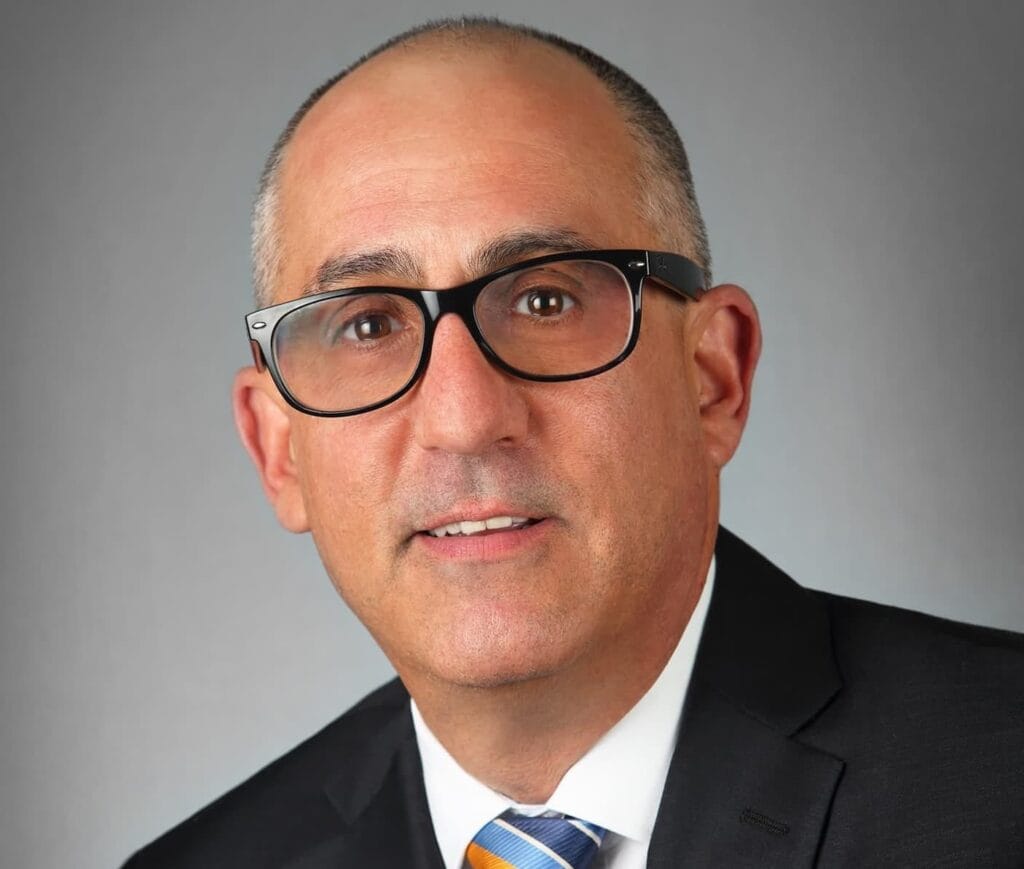
Richard Wagner, former Los Angeles prosecutor and DUI defense attorney with 27+ years of courtroom experience
The following is general information about your constitutional rights under California law. If you have been arrested or are facing charges, contact our DUI defense team for advice specific to your situation.
1. Stay Calm and Do Not Volunteer Information
Your instinct may be to explain: “I only had one glass of wine,” or “I had a beer hours ago at dinner.” Do not. Every statement you make at a traffic stop is potentially being recorded on body camera and dashcam and can be used as evidence in a prosecution. There is no statement you can make at the roadside that will cause a trained officer to abandon a DUI investigation once it has begun.
You are required to provide your driver’s license, vehicle registration, and proof of insurance. Beyond those three items, you have the right to remain silent.
A polite, non-confrontational way to invoke that right:
“Officer, I am going to respectfully remain silent.”
Say it calmly. Say it once. Then stop talking.
2. You Have the Right to Refuse Field Sobriety Tests
Field sobriety tests, including the walk-and-turn, the one-leg stand, and the horizontal gaze nystagmus test, are not mandatory in California. They are voluntary.
This surprises most people, but it is the law: you can decline field sobriety tests without automatic legal penalty. Officers are not required to inform you of this. The tests are graded subjectively by the same officer who has already formed a suspicion, and they are specifically designed to generate observable failure indicators under standardized scoring criteria.
As a former prosecutor, I can tell you that field sobriety test results are among the most effectively challenged evidence in DUI cases, and that clients who declined them often avoided generating the documentation that makes prosecution significantly easier.
“Officer, I respectfully decline to perform field sobriety tests.”
You do not need to explain why. You do not need to apologize.
3. The Roadside Breath Test (PAS) Is Also Optional, With One Critical Exception
The Preliminary Alcohol Screening (PAS) device is the small handheld breathalyzer officers carry during roadside traffic stops. In California, this test is voluntary for most drivers 21 years old and older who are not on DUI probation. You can decline it without triggering automatic license suspension or criminal penalty.
The important exception: if you are under 21 or currently on DUI probation, you are legally required to submit to the PAS test.
Do not confuse the voluntary roadside PAS test with the evidentiary chemical test administered after a formal DUI arrest. In Orange County, the police use the same portable, handheld breath testing machine that they use for the preliminary alcohol screening test. The police may take you to the station for the so-called evidentiary chemical test, or they might collect your breath samples on the side of the road. In any case, that post-arrest test is mandatory under California’s implied consent law. Refusing it carries automatic license suspension consequences and allows prosecutors to use your refusal as evidence of consciousness of guilt at trial.
“Officer, I respectfully decline the preliminary breath test.”
One sentence. No elaboration needed.
4. Do Not Consent to a Vehicle Search
Unless an officer has a valid search warrant or a recognized legal exception applies, you have the right to refuse a search of your vehicle under the Fourth Amendment to the United States Constitution.
“Officer, I do not consent to any search of my vehicle or my person.”
Refusing consent does not authorize the search. It creates a clear legal record that you did not voluntarily consent, which matters significantly if evidence discovered during a search is later challenged in court.
5. Be Respectful. Do Not Physically Resist.
Invoking your constitutional rights and being confrontational are two entirely different things. Stay calm. Keep your hands visible. Follow all lawful officer instructions regarding your physical position. Do not physically resist under any circumstances. If you are arrested, your fight belongs in a courtroom and not on the shoulder of a freeway at midnight.
This is the kind of practical, experience-based guidance that comes from 27+ years on both sides of DUI cases. If you have been stopped or arrested, contact a DUI Lawyer Orange County immediately.
The Legal Standard: What California Law Actually Requires for a DUI Stop
California’s DUI statutes are Vehicle Code § 23152 and Vehicle Code § 23153. They make it unlawful to drive a vehicle while under the influence of alcohol or drugs, and impose additional consequences where injury is involved. Every DUI case, whether it starts with a smell claim, a field sobriety test, or a chemical test result, must ultimately satisfy these standards.
What Prosecutors Must Prove Beyond the Odor
The odor of alcohol might establish reasonable suspicion to investigate. It does not establish probable cause for arrest on its own. Prosecutors building a DUI case need a complete evidentiary picture, which typically includes:
- Officer observations of driving behavior and physical appearance
- Statements made by the driver during the stop
- Field sobriety test performance documentation
- A breath test result showing alcohol is in your system
When drivers invoke their rights by declining to answer questions, declining field sobriety tests, and declining the voluntary PAS test, they limit the documentation available to prosecutors. That is not obstruction. That is the constitutional framework functioning exactly as designed.
The Three Supreme Court Cases Every California Driver Should Know
Three United States Supreme Court rulings directly govern what officers can and cannot do during a DUI traffic stop:
Berkemer v. McCarty (1984): When the police stop an automobile and detain its occupants, it constitutes a seizure within the meaning of the Fourth Amendment, even though the purpose of the stop is limited and the resulting detention is quite brief.
Birchfield v. North Dakota (2016): Officers may require a breath test incident to a lawful DUI arrest without a warrant, but they generally cannot compel a warrantless blood draw. This ruling defines the legal line between the voluntary roadside PAS test and the mandatory post-arrest chemical test under California’s implied consent law.
Navarette v. California (2014): The reasonable suspicion necessary to justify such a stop is dependent upon both the content of information possessed by police and its degree of reliability. The standard takes into account the totality of the circumstances. Although a mere hunch does not create reasonable suspicion, the level of suspicion required is considerably less than proof of wrongdoing by a preponderance of the evidence, and obviously less than is necessary for probable cause.
From the Prosecution Side: How “Smell of Alcohol” Cases Are Built
I spent years as a prosecutor in Los Angeles building DUI cases before transitioning to defense work. I want to give you an honest picture of how a DUI that begins with an odor claim looks from the other side of the courtroom.
Prosecutors approach these cases with confidence. Here is why.
The Standard Evidence Profile
In a typical DUI case, the prosecution relies on the officer’s documented observations, field sobriety test performance, and a chemical test result. There are frequently gaps: a driver who appeared composed, a breath sample taken at a questionable time interval, a procedural error during the arrest.
When a driver invokes their rights and declines to cooperate with voluntary testing, that evidence profile thins considerably. What remains is:
- The officer’s subjective observations at the window
- Driving behavior observed prior to the stop
- Any statements voluntarily made by the driver
- The post-arrest mandatory chemical test result, if an arrest was made
Cases built primarily on a smell claim and limited corroboration are among the most defensible DUI cases in Orange County courts. The problem is that most drivers never preserve that defensible position because they hand officers the additional evidence voluntarily.
“I Only Had One Drink” Is Never the Statement You Think It Is
After analyzing hundreds of DUI cases across Orange County, this pattern repeats without exception: the driver who admits to “just one drink” has confirmed they consumed alcohol, suggested they were driving within a reasonable time of that consumption, and established the foundation for every subsequent step of the investigation.
Officers are trained to ask follow-up questions after any admission. “What were you drinking?” “What time?” “Where?” Each answer narrows the defense options and broadens the prosecution’s foundation. The Fifth Amendment exists specifically to stop this chain before it starts.
This is a distinction that matters enormously in how DUI cases are charged and ultimately resolved. An attorney who understands both the evidentiary dynamics and the case law can identify where the prosecution’s theory is strongest and where it is most vulnerable. Contact a DUI Lawyer Orange County immediately after any traffic stop that results in investigation or arrest.
How a Defense Attorney Challenges the “Smell of Alcohol” in Court
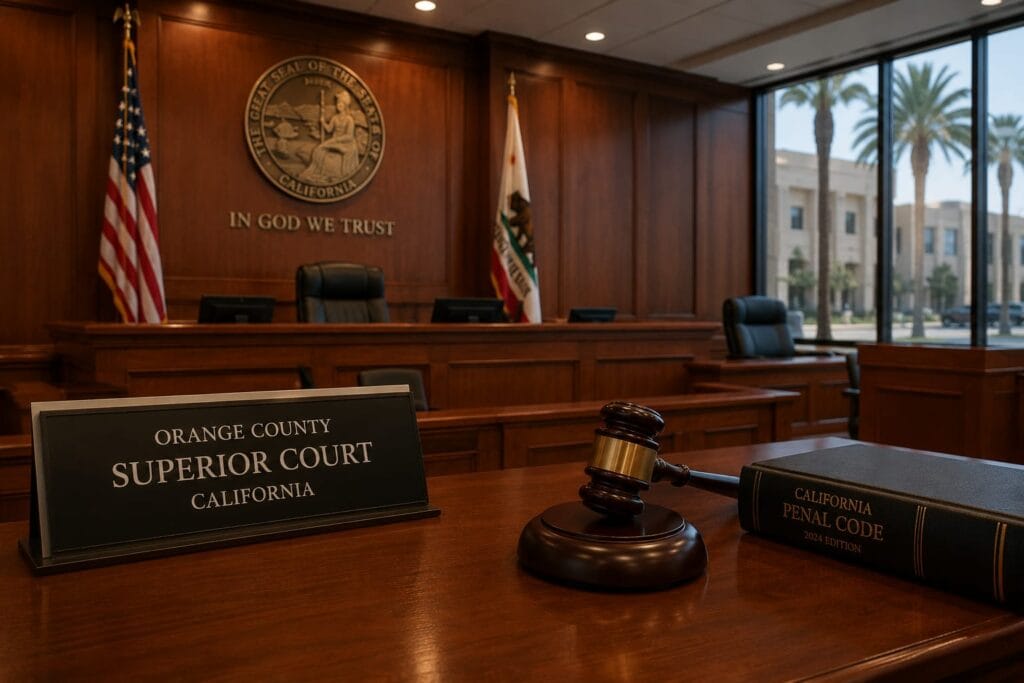
DUI cases in Orange County are prosecuted in the Orange County Superior Court, where the strength of the prosecution’s evidence, including odor claims, is tested against defense challenges
When a case comes to me that originates with an officer claiming to smell alcohol, these are the questions I begin asking immediately:
- Was the officer’s sensory observation reliable? Officers who smoke, have allergies, have been on shift for extended hours, or were standing in proximity to other odor sources have diminished olfactory reliability.
- Were there alternative explanations for the odor? Mouthwash, hand sanitizer, certain medications, fermented foods, and kombucha can all produce odors that register as alcohol to an untrained nose.
- Was the traffic stop itself lawful? If the initial stop lacked reasonable suspicion, everything that follows including the smell claim may be suppressible under the Fourth Amendment.
- Is the police report language boilerplate? Identical phrasing appearing word-for-word across dozens of reports from the same officer raises credibility and documentation concerns that are highly relevant at trial.
- What did the chemical test actually show? If the post-arrest BAC result was at or near .08%, the prosecution’s case looks very different than if it was .15% or higher. A borderline result changes the weight that should be assigned to the odor observation entirely.
Every DUI case is a collection of individual evidence pieces, and experienced defense attorneys know how to examine each link in the chain. Having prosecuted DUI cases in Orange County before moving to the defense side, Attorney Wagner understands how these cases are assembled. That institutional knowledge is what he brings to every client’s defense.
For a full breakdown of what happens after an arrest, see our guide: What Happens After a DUI Arrest in Orange County.
The 2026 Legal Landscape: What Has Changed for Orange County DUI Cases
California’s DUI enforcement framework has seen meaningful changes in 2026 that directly affect anyone stopped or arrested for DUI in Orange County.
AB 366: Ignition Interlock Device Extension Through 2033
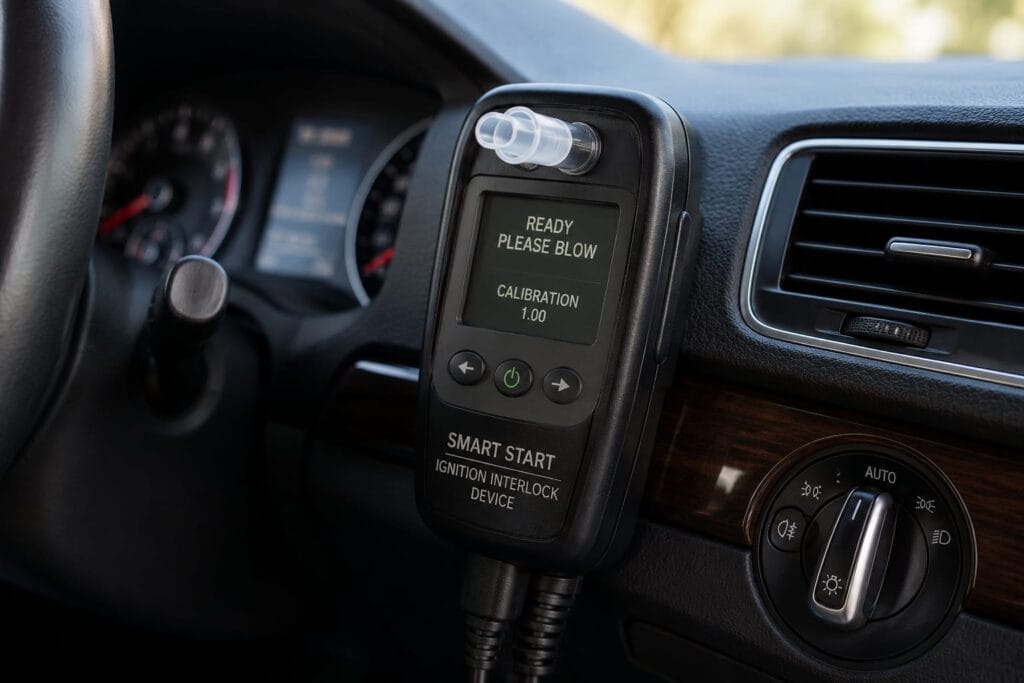
Under AB 366, California’s mandatory ignition interlock device requirement for DUI convictions is extended through January 1, 2033
AB 366 – Vehicle Code § 13352 | California DMV New Laws 2026
Assembly Bill 366, effective January 1, 2026, extends California’s mandatory Ignition Interlock Device program through January 1, 2033. A DUI conviction in Orange County today, including one that begins with nothing more than a roadside odor claim, carries a mandatory IID requirement as part of its consequences.
AB 1546: Third DUI as a Felony (Proposed)
Under proposed AB 1546, a third DUI conviction within 10 years could be charged as a felony even without a prior injury. If this legislation is enacted, the stakes for any DUI conviction, regardless of how the investigation began, increase dramatically. Every prior DUI on record becomes a factor in future charging decisions.
➡️ See our related post: California DUI & Traffic Law Changes 2026
What Happens After a DUI Arrest in Orange County
After any DUI arrest in California, you have exactly 10 calendar days to contact the California DMV and request an APS hearing to protect your driving privileges
A DUI arrest in Orange County, whether it starts with a smell claim, a checkpoint stop, or a field sobriety test, triggers two entirely separate proceedings simultaneously.
The Criminal Case
The criminal case is handled through the Orange County Superior Court system. Depending on your record and the facts of the arrest, charges may be filed as a misdemeanor or a felony. You will face arraignment, pretrial hearings, potential plea negotiations, and possibly a trial.
- First offense: Up to 6 months in county jail, $390 to $1,000 in base fines plus significant penalty assessments, 3 to 5 years informal probation, mandatory DUI school, and license suspension
- Second offense within 10 years: Mandatory minimum 96 hours to 1 year in county jail, extended DUI school, longer license suspension, mandatory IID
- Third offense: Up to 1 year in county jail, 18-month DUI program, potential felony filing under proposed AB 1546
- Felony DUI with injury: State prison exposure, extended probation under AB 1087, and permanent record consequences
The DMV Case: The 10-Day Deadline You Cannot Miss
After any DUI arrest in California, you have exactly 10 calendar days to contact the California DMV and request an Administrative Per Se (APS) hearing. Miss that deadline and your license is automatically suspended, regardless of what happens in the criminal case.
The DMV case and the criminal case are entirely separate proceedings. Both require active, experienced legal defense.
For detailed guidance on protecting your driving privileges, see: What Is a DMV APS Hearing and How Do I Win One?
Orange County courts, including the Harbor Justice Center in Newport Beach, the Central Justice Center in Santa Ana, the North Justice Center in Fullerton, and the West Justice Center in Westminster, each have their own prosecutors, judges, and procedural tendencies. Local knowledge makes all the difference. When you need a DUI Lawyer Orange County residents trust, experience in those specific courtrooms matters.
Possible Defenses When a DUI Case Starts With a Smell Claim
Every DUI case is different, and the defenses available depend entirely on the specific facts of the arrest. As a former Orange County prosecutor, Attorney Wagner evaluates these cases from both sides of the courtroom. Common defense angles in odor-initiated DUI cases include:
- Challenging the lawfulness of the traffic stop. Police must have articulable reasonable suspicion to initiate a stop. If no traffic violation occurred and no other basis existed, the stop itself may be challengeable, and a successful challenge can result in suppression of all evidence gathered afterward.
- Challenging the credibility of the odor observation. The source, strength, and circumstances of the claimed smell can be contested through cross-examination, particularly where the officer’s training, sensory conditions, or reporting language raises questions.
- Challenging the chemical test results. Breathalyzer calibration records, blood sample chain of custody, testing interval timing, and mouth alcohol contamination are all contestable in any DUI case.
- Challenging field sobriety test administration. If tests were performed, the officer’s training, the conditions under which they were administered, and the scoring methodology can each be examined and challenged.
- Wet reckless reduction. In cases where BAC is at or near the legal limit and evidentiary issues exist, a reduction to a wet reckless under Vehicle Code 23103.5 may be negotiable, avoiding a DUI conviction on your record entirely.
No two DUI cases are identical. Contact DUI Lawyer Orange County Richard Wagner for a free consultation to discuss the specific facts of your stop and what defenses may apply to your situation.
Frequently Asked Questions
Can an officer arrest me just because they claim to smell alcohol?
The odor of alcohol alone is generally not sufficient probable cause for a DUI arrest in California. It can justify extending a traffic stop and initiating further investigation, but an arrest typically requires additional corroborating evidence such as failed field sobriety tests, a PAS result at or above .08%, observed impairment indicators, or admissions by the driver. That said, every situation is fact-specific. If you have been arrested, contact a DUI Lawyer Orange County immediately.
What if I had nothing to drink and an officer still claims to smell alcohol?
It happens. Officers are human and can be mistaken. Mouthwash, hand sanitizer, certain foods, kombucha, and other products can produce odors that register as alcohol. In some cases, confirmation bias plays a role: an officer who has already formed a suspicion may interpret neutral sensory input as confirmation of that suspicion. This is precisely why having experienced legal representation matters. A skilled DUI defense attorney knows how to challenge the credibility and foundation of a subjective odor claim.
Do I have to answer questions about whether I have been drinking?
No. You have the right to remain silent under the Fifth Amendment. You are required to provide your driver’s license, vehicle registration, and proof of insurance and nothing more. Any voluntary statement about whether, what, or how much you have been drinking can and will be used in a DUI prosecution. Invoking your right to silence affirmatively and respectfully is the legally sound choice.
What happens if I refuse the field sobriety tests and the roadside PAS test?
For California drivers 21 and over who are not on DUI probation, declining both field sobriety tests and the voluntary roadside PAS breath test carries no automatic legal penalty. Officers may still arrest you if they believe they have sufficient probable cause from other observations. The refusals will be noted in the police report but cannot be used as standalone evidence of guilt.
What is the difference between the roadside breath test and the one administered after arrest?
The roadside Preliminary Alcohol Screening (PAS) device is a voluntary screening tool and not the mandatory evidentiary test. In Orange County, police use the same portable handheld breath testing machine for both the roadside screening and the post-arrest test. The post-arrest test may be administered on the side of the road or at the station. Either way, it is mandatory under California’s implied consent law (Vehicle Code § 23612). Refusing it triggers automatic license suspension and allows prosecutors to argue consciousness of guilt at trial.
Can a DUI charge be reduced or dismissed when the case is built on a smell claim?
Potentially, yes. Cases built primarily on subjective officer observations without strong corroborating chemical evidence are among the most defensible DUI cases in Orange County. Outcomes can range from full dismissal to a wet reckless reduction under Vehicle Code 23103.5, depending on the specific facts, the BAC result, and the evidentiary record. The earlier you involve an experienced DUI defense attorney, the more strategic options remain available.
What is the 10-day rule after a DUI arrest in California?
After any DUI arrest in California, you have exactly 10 calendar days to request a DMV Administrative Per Se (APS) hearing to contest your license suspension. Miss this deadline and your license is automatically suspended regardless of what happens in criminal court. Contact an attorney immediately after any DUI arrest. This deadline does not wait.
How soon should I contact a DUI attorney after a traffic stop or arrest?
Immediately. Body camera footage, dashcam recordings, and witness availability all degrade quickly. The 10-day DMV deadline begins running the moment of your arrest. And the strategic decisions made in the earliest phase of a case, including what is said and what is preserved, have the greatest long-term impact on outcomes. Contact our DUI Lawyer Orange County team today for a free consultation.
Orange County DUI Defense Representation
Written and reviewed by Richard Wagner, a former DUI prosecutor and highly respected Orange County DUI & criminal defense attorney, representing clients throughout Irvine, Newport Beach, Santa Ana, Anaheim, Huntington Beach, Fullerton, Mission Viejo, and all of Orange County. With over 27 years of experience defending DUI cases in Orange County courts, Attorney Wagner aggressively defends:
- First-time DUI arrests
- Second-offense DUI
- Third and repeat DUI offenses
- Felony DUI & DUI with injury
- DMV license suspension hearings
- Wet reckless charge reductions
If you need the most trusted DUI Lawyer Orange County has to offer, contact Richard Wagner today. For a full breakdown of the laws already in effect, see our related post: California DUI & Traffic Law Changes 2026.
Disclaimer
This article is for informational purposes only and does not constitute legal advice. Laws are subject to change and proposed legislation may be amended or withdrawn before enactment. If you have been arrested for DUI in Orange County, consult a qualified attorney regarding your specific situation.
Legal Authorities
The information in this article is based on California statutes, enacted legislation, case law, and published law enforcement guidance governing DUI stops and driver rights in California. Sources include the California Legislative Information portal, the California DMV, the California Courts Newsroom, and published United States Supreme Court decisions.
Primary legal authorities referenced in this article:
- California Vehicle Code § 23152 (Driving Under the Influence)
- California Vehicle Code § 23153 (DUI Causing Injury)
- California Vehicle Code § 23612 (Implied Consent Law)
- Mercer v. Department of Motor Vehicles, 53 Cal.3d 753 (1991) (Volitional Movement Standard)
- California Criminal Jury Instruction 2241 (Definition of “Driving”)
- Berkemer v. McCarty, 468 U.S. 420 (1984) (Fourth Amendment, Traffic Stops as Seizures)
- Birchfield v. North Dakota, 579 U.S. 438 (2016) (Warrantless Breath Tests Incident to Arrest)
- Navarette v. California, 572 U.S. 393 (2014) (Reasonable Suspicion, Totality of Circumstances)
- Assembly Bill 366 (IID Extension Through 2033)
- Assembly Bill 1087 (Vehicular Manslaughter Probation Increase)
- Assembly Bill 1546 (Third DUI as Felony, Proposed)
Laws are subject to interpretation, enforcement discretion, and future amendment. Application of these statutes may vary depending on the facts of each individual case.
Call Now: 714-721-4423 or Text: 714-403-6317, or schedule a free consultation.