
You do not have to take a field sobriety test in California. If you are 21 or older and not currently on DUI probation, the walk-and-turn, the one-leg stand, the finger-to-nose, the hand pat, and the eye test are all voluntary. It is one of the most misunderstood moments in any DUI stop, and one of the easiest for an officer to build a case around. Most drivers comply simply because they don’t know they have a choice.
As a Orange County DUI Lawyer and former Los Angeles prosecutor with more than 27 years defending DUI cases throughout Orange County courts, I want to give you an honest picture of what field sobriety tests actually are, what the law actually requires, and where this evidence is most vulnerable to challenge.
If you or a loved one has been arrested for DUI in Orange County after performing, or declining, a field sobriety test, acting quickly is critical. What happened during those first few minutes of the stop can shape the entire case. An experienced DUI Lawyer Orange County can evaluate how the test was administered, scored, and used, and whether that evidence holds up in court.
Do You Have to Take a Field Sobriety Test in California: Key Takeaways
- Most Field sobriety tests (FSTs) are voluntary for drivers 21 and older who are not on DUI probation.
- Refusing most of the FSTs carries no automatic license penalty, unlike refusing a chemical breath or blood test after arrest for drivers 21 and older.
- Chemical tests (breath, blood, or urine) fall under California’s implied consent law and generally cannot be refused without consequence.
- Drivers under 21 and drivers on DUI probation are required to submit to a preliminary alcohol screening (PAS) device which the California Vehicle Code refers to as field sobriety test.
- FST performance, even when the driver is completely sober, is routinely used by prosecutors as supporting evidence of DUI.
- According to the studies and contrary to the claim by prosecutors, the standardized field sobriety tests have no correlation to driving impairment. They merely predict BAC.
- The studies upon which the tests were developed are very old and under conditions that rarely match a real roadside stop.
- None of the studies upon which the FSTs were based were published in peer-reviewed scientific journals. The studies lacked many standard scientific controls (randomization, adequate sober control groups stratified by age, weight, and medical status), making them one of the most vulnerable pieces of evidence in a DUI case.
What Exactly Is a Field Sobriety Test?
Field sobriety tests are used by police to determine whether to arrest or let a suspected drunk driver go on their way. The National Highway Traffic Safety Administration (NHTSA) decided on the three tests the Horizontal Gaze Nystagmus (HGN), the Walk-and-Turn, and the One-Leg Stand, as the most effective for law enforcement.
The HGN test has you follow a pen or finger with your eyes while the officer watches for involuntary jerking movements. The Walk-and-Turn has you take nine heel-to-toe steps along a line, turn, and walk back. The One-Leg Stand has you balance on one foot while counting aloud for roughly 30 seconds. Officers from different law enforcement agencies like the California Highway Patrol, add non-standardized tests too, like Romberg Balance, hand pat, and finger count.
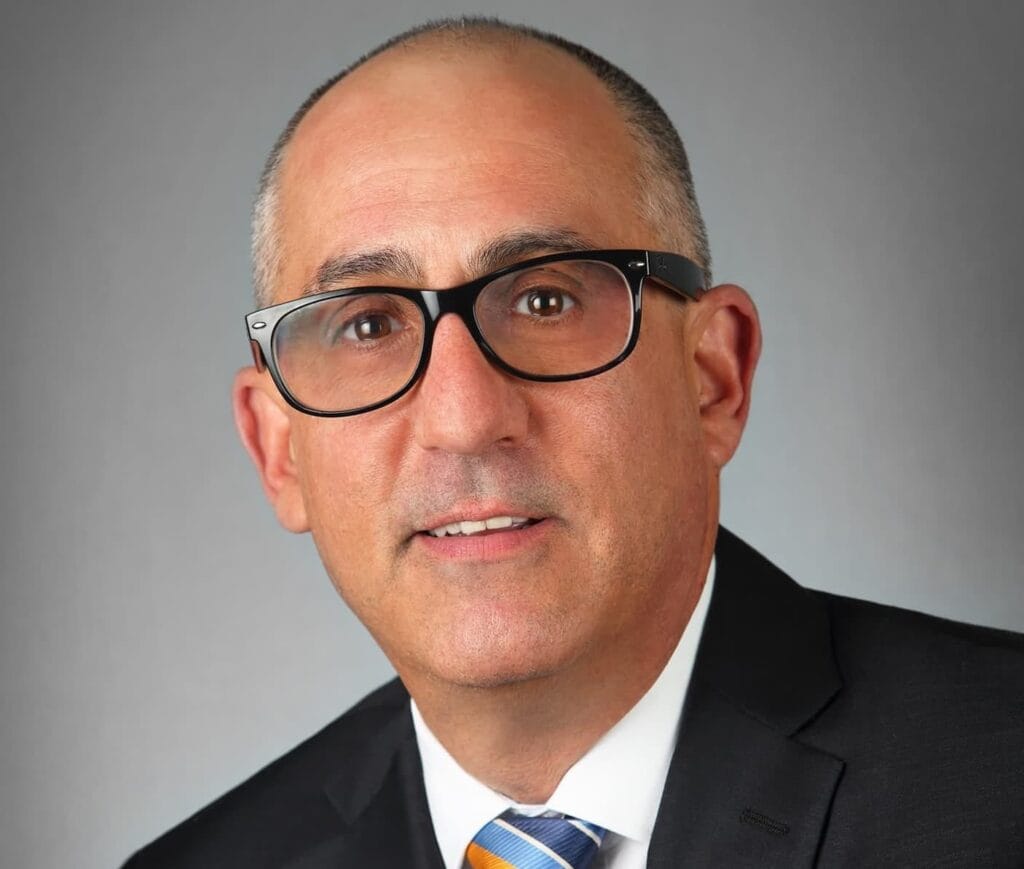
Richard Wagner, former Los Angeles prosecutor and DUI defense attorney with 27+ years of courtroom experience
The Legal Line Most Drivers Don’t Know Exists – California Field Sobriety Tests
California’s implied consent law, found in Vehicle Code § 23612, is where most of the confusion starts. That statute says any driver lawfully arrested for DUI has already agreed, just by holding a California license, to submit to a chemical test of their breath, blood, or urine. Refuse that test after a lawful arrest, and you’re facing an enhanced license suspension consequences separate from whatever happens in the criminal case.
Here is what Section 23612 does not cover: The walk-and-turn, the one-leg stand, the eye test, none of it falls under implied consent. They are roadside coordination exercises, not a chemical test, and no California statute compels you to perform those.
The Two Narrow Exceptions
- Drivers under 21 must submit to a preliminary alcohol screening (PAS) device under California’s zero-tolerance law, Vehicle Code § 23136.
- Drivers currently on DUI probation must also submit to a PAS device if requested, under Vehicle Code § 23154.
Outside of those two situations, you can decline the walk-and-turn, decline the one-leg stand, decline the eye test, and face no automatic penalty for doing so.
Why Officers Push Compliance Anyway
If FSTs are voluntary, why does nearly every DUI stop include them? Because they work in the prosecution’s favor, not yours. An officer trained to build a DUI case knows that FST performance, real or perceived, gives them observable “clues” to write into the police report before an arrest is even made. That report becomes the backbone of the prosecution’s opening narrative in court.
Having spent 27 years handling DUI cases on both sides of the courtroom, first as a Los Angeles prosecutor and now defending drivers across Orange County, I have seen this pattern from both chairs. As a prosecutor, FST results were often the first thing I looked for in a police report. As a defense attorney, they are often the first thing I challenge.
“The tests are marketed to the public as scientific. They aren’t. They’re subjective observations scored by an officer who has often already decided an arrest is coming.” — Richard Wagner
The tests are built to be difficult. Independent research has shown that a meaningful percentage of completely sober individuals (approximately 26% in one controlled study of drug-naïve subjects) cannot successfully complete the SFST battery. Uneven pavement, poor lighting, nervousness, medical conditions, ill-fitting shoes, and simple anxiety about flashing patrol lights can all cause a completely sober driver to “fail” a walk-and-turn or one-leg stand. None of that nuance typically makes it into the officer’s report.
What Happens If You Refuse
Politely declining an FST does not prevent an officer from arresting you. If the officer already has other indicators of impairment, the smell of alcohol, slurred speech, erratic driving, an admission of drinking, they can still make an arrest without FST results. What refusal does is limit what the prosecution has to work with later.
Without FST results, the officer cannot testify in court about which specific “clues” they observed on the walk-and-turn or how many times your eyes allegedly jerked during the HGN test. That is less subjective evidence for a jury to weigh against you, and one less category of testimony for your attorney to unwind at trial.
“Officer, I don’t wish to perform any voluntary tests.”
You don’t need to explain, argue, or justify the decision. Repeating it calmly, if pressed, is enough.
What You Cannot Refuse
Declining FSTs is not a blanket strategy for the entire stop. You are still required to:
- Provide your license, registration, and proof of insurance when asked.
- Submit to a chemical test (breath, blood, or urine) once lawfully arrested, under Vehicle Code § 23612.
- Submit to a PAS device if you are under 21 or on active DUI probation.
Refusing a chemical test after a lawful arrest carries an enhanced license suspension consequences under California’s implied consent law, separate from and in addition to whatever the underlying DUI charge carries. That is a very different legal category than declining a roadside walk-and-turn, and drivers who confuse the two often make the situation worse for themselves.
Possible Defenses Built Around Field Sobriety Test Evidence
When FST evidence does make it into a case, whether the driver complied willingly or the officer built the case around other observations, there are still several angles a defense attorney can pursue:
- Improper administration. NHTSA guidelines specify exact instructions, timing, and scoring criteria. Officers frequently deviate from the standardized procedure, which undermines the reliability of the results.
- Environmental factors. Uneven roadway surfaces, poor lighting, traffic noise, and weather conditions can all affect performance independent of impairment.
- Medical and physical conditions. Inner ear disorders, prior leg or back injuries, age, weight, and even fatigue can mimic the “clues” officers are trained to look for.
- Officer training and certification. If the arresting officer wasn’t properly certified in the standardized battery, or hasn’t had refresher training, that opens the door to challenging their qualifications to administer or score the tests.
- Video contradiction. Dashcam and bodycam footage often tells a different story than the written police report, particularly around HGN administration, which is difficult to fake convincingly on camera.
- Unlawful stop. If the initial traffic stop lacked reasonable suspicion, everything that followed, including any FST and chemical test evidence, may be suppressible.
Every field sobriety test in a case file is a potential weak point in the prosecution’s evidence, not an automatic conviction. The right defense strategy treats it that way from day one.
What Happens If You Are Arrested for DUI in Orange County
Whether field sobriety tests played a role or not, a DUI arrest in Orange County triggers the same criminal proceeding, with penalties that scale by prior record:
- First offense: Up to 6 months in county jail, $390 to $1,000 in base fines plus significant penalty assessments, 3 to 5 years informal probation, mandatory DUI school, and license suspension
- Second offense within 10 years: Mandatory minimum 96 hours to 1 year in county jail, extended DUI school, longer license suspension, mandatory IID
- Third offense: Mandatory minimum 120 days to 1 year in county jail, 18-month DUI program, potential felony filing under proposed AB 1546
- Felony DUI with injury: State prison exposure and extended probation under AB 1087
Orange County courts, including the Harbor Justice Center in Newport Beach, the Central Justice Center in Santa Ana, the North Justice Center in Fullerton, and the West Justice Center in Westminster, each have their own prosecutors, judges, and procedural tendencies. Local knowledge makes all the difference. When you need a DUI Lawyer Orange County residents trust, experience in those specific courtrooms matters.
The 2026 Legal Landscape: What’s Changed
California’s DUI framework has shifted in ways that touch nearly every stop, even though field sobriety tests themselves remain governed by the same voluntary standard.
AB 366: Ignition Interlock Device Extension Through 2033
Signed in October 2025 and effective January 1, 2026, Assembly Bill 366 extended California’s statewide Ignition Interlock Device (IID) program for qualifying DUI offenders through January 1, 2033. Courts retain discretion over IID terms for first offenders, with mandatory periods for repeat or injury-related cases.
Vehicle Code § 23152(e): Rideshare and For-Hire Driver BAC Limit
Vehicle Code § 23152(e) now sets a 0.04% BAC limit for rideshare and other for-hire drivers while carrying passengers or with the app active, matching the threshold long applied to commercial drivers.
AB 321: Wobbler Reductions
Assembly Bill 321 gives courts new authority to reduce certain eligible felony DUI “wobbler” charges to misdemeanors before trial, which can affect how much leverage is available during plea negotiations, including negotiations that hinge on weak FST evidence.
None of these changes alter the voluntary status of field sobriety tests. What they do change is the stakes tied to whatever happens after the stop, which is exactly why FST refusal and FST evidence challenges remain one of the most consequential decision points in a DUI case.
➡️ See our related post: California’s New DUI Bills in 2026
Frequently Asked Questions: Field Sobriety Tests in California
Do I have to take a field sobriety test in California?
No. If you are 21 or older and not on DUI probation, field sobriety tests are voluntary. There is no California statute requiring you to perform them and no automatic license penalty for declining.
Can I be arrested just for refusing a field sobriety test?
Refusing an FST alone is not grounds for arrest, but officers can still arrest you based on other observations, such as erratic driving, the smell of alcohol, or slurred speech.
Is a breathalyzer the same as a field sobriety test?
Yes and No. A breathalyzer after you are arrested is considered a chemical test governed by California’s implied consent law under Vehicle Code § 23612. Refusing a chemical test after a lawful arrest triggers severe license consequences. Field sobriety tests such as the walk and turn, one-leg-stand, and HGN are separate roadside coordination exercises and are not covered by implied consent. The breathalyzer before you are arrested is called a preliminary alcohol screening test. Vehicle Code § 23612(h) says a preliminary alcohol screening test is a field sobriety test.
What if I’m under 21 or on DUI probation?
Both groups are required to submit to a preliminary alcohol screening (PAS) device specifically, under Vehicle Code §§ 23136 and 23154. This exception does not extend to the walk-and-turn or one-leg stand tests.
Will refusing a field sobriety test make me look guilty in court?
Prosecutors will try to turn this against you. However, a skilled attorney will help you frame your decision not to participate to your advantage.
What should I say if an officer asks me to do a field sobriety test?
A simple, polite statement is sufficient: “I don’t wish to participate in any voluntary tests, officer.” You do not need to explain or argue the point further.
Can field sobriety test results be challenged after an arrest?
Yes. Improper administration, uncertified officers, environmental conditions, and medical factors are all common grounds for challenging FST evidence during pretrial motions or at trial.
Do field sobriety tests apply to marijuana or drug DUI cases too?
Yes, officers use the same tests in suspected drug DUI stops, though research shows these tests are considerably less reliable for detecting cannabis impairment than alcohol impairment. See our related guide: DUI Marijuana in California: How Police Prove Impairment.
Orange County DUI Defense Representation
Written and reviewed by Richard Wagner, a former Los Angeles prosecutor and highly respected Orange County DUI & criminal defense attorney, representing clients throughout Irvine, Newport Beach, Santa Ana, Anaheim, Huntington Beach, Fullerton, Mission Viejo, and all of Orange County. With over 27 years of experience defending DUI cases in Orange County courts, Attorney Wagner aggressively defends:
- First-time DUI arrests
- Second-offense DUI
- Third and repeat DUI offenses
- Felony DUI & DUI with injury
- Marijuana DUI (THC DUI) in Orange County
- DMV license suspension hearings
- Wet reckless charge reductions
If you need the most trusted DUI Lawyer Orange County has to offer, contact Richard Wagner today. For a full breakdown of what happens after any DUI arrest, see our guide: What Happens After a DUI Arrest in Orange County.
Disclaimer
This article is for informational purposes only and does not constitute legal advice. Laws are subject to change and proposed legislation may be amended or withdrawn before enactment. If you have been arrested for DUI in Orange County, consult a qualified attorney regarding your specific situation.
Legal Authorities
The information in this article is based on California statutes, enacted legislation, case law, federal research, and published law enforcement guidance governing DUI enforcement and field sobriety testing in California. Sources include the California Legislative Information portal, the California DMV, the National Highway Traffic Safety Administration, and published United States Supreme Court decisions.
Primary legal authorities referenced in this article:
- California Vehicle Code § 23612 (Implied Consent Law)
- California Vehicle Code § 23136 (Zero Tolerance Law, Drivers Under 21)
- California Vehicle Code § 23154 (PAS Requirement for DUI Probationers)
- California Vehicle Code § 23152(e) (Rideshare and For-Hire Driver BAC Limit)
- Berkemer v. McCarty, 468 U.S. 420 (1984) (Fourth Amendment, Traffic Stops as Seizures)
- Schmerber v. California, 384 U.S. 757 (1966) (Chemical Testing and the Fourth Amendment)
- Birchfield v. North Dakota, 579 U.S. 438 (2016) (Warrantless Breath Tests Incident to Arrest)
- Missouri v. McNeely, 569 U.S. 141 (2013) (Warrant Requirement for Blood Draws)
- NHTSA Standardized Field Sobriety Testing (SFST) Validation Studies
- Yoshizuka, K., et al. (2014). Study published in the *Journal of Forensic Toxicology and Pharmacology* reporting that approximately 26% of completely sober, drug-naïve subjects failed the SFST battery.
- Assembly Bill 366 (IID Extension Through 2033)
- Assembly Bill 321 (Wobbler Reduction Authority)
- Assembly Bill 1087 (Vehicular Manslaughter Probation Increase)
Laws are subject to interpretation, enforcement discretion, and future amendment. Application of these statutes may vary depending on the facts of each individual case.
Call Now: 714-721-4423 or Text: 714-403-6317, or schedule a free consultation.